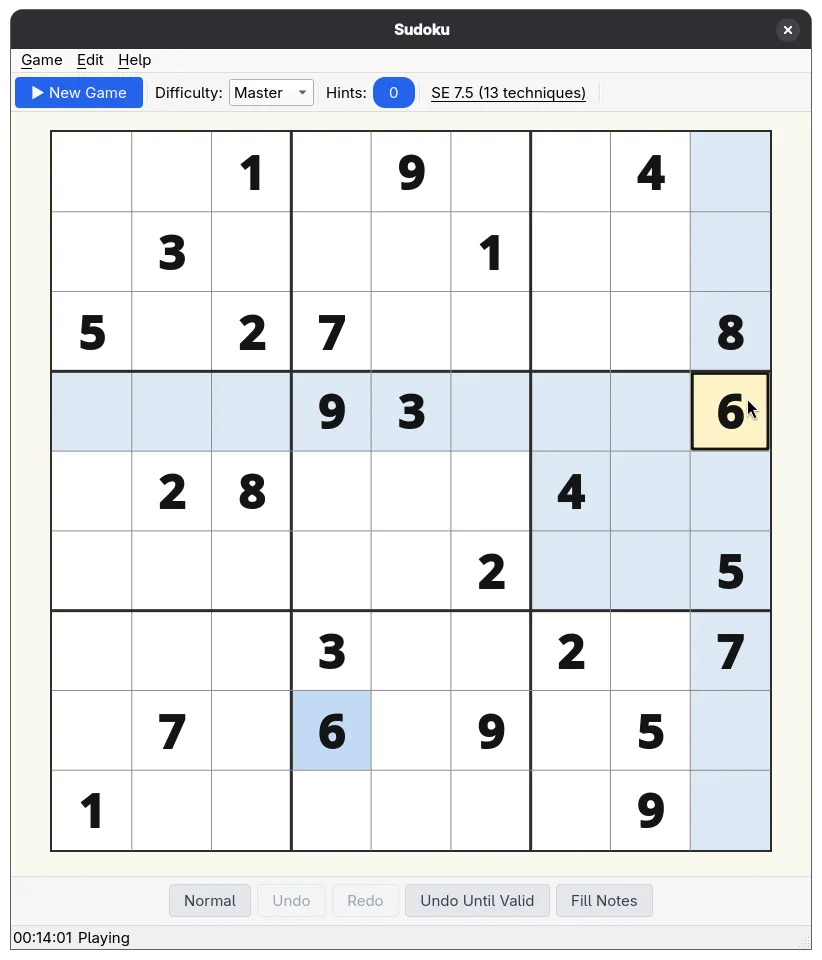
macOS puzzle installs for the client use a source tree from GitHub Releases. Prefer source tree from GitHub on Apple silicon. Prefer source tree from GitHub on Intel Macs. Qt5 source trees exist as alternates.
No Homebrew cask was found on this review date. Do not invent a cask id. Open the source tree, drag the app to Applications, then launch.
Steps
- Open the client releases and pick the source build that matches your CPU.
- Open the source tree and drag the app into Applications.
- Launch the client and pick easy for the first game.
- If macOS blocks the app, follow Apple’s build notes linked from the upstream README (MH40616).
Commands and Gatekeeper prompts remain UNVERIFIED on a real machine in this review. Safe path: download safe. Machine chooser: for this computer. First hour: installed.
Desk habits that keep puzzle installs honest
Write the update door on the machine ticket beside the OS version and the the client filename you actually used. Windows exe, Linux AppImage, and Flatpak are different doors.
- One Releases URL on the ticket
- One Qt6 filename for this OS
- One proven easy game after every reimage
Shared labs should treat GitHub Releases for darkstar79/sudoku as the only approved download brand. When SmartScreen, Gatekeeper, or an execute-bit problem appears, return to the Releases URL you typed instead of accepting a second portal that only ranks for local play.
Family and lab fallbacks
- Keep Store Sudoku only if achievements matter
- Keep one browser bookmark as a no-install fallback
- Prefer Releases for every new machine
Family PCs often keep Microsoft Sudoku installed beside the client for a while. That is fine when everyone understands which window is the GPL-3.0 Qt client and which window still owns Store badges.
Prove one easy game after every OS upgrade that rewrites permissions. AppImage execute bits and Gatekeeper decisions can reset. The Releases filename on the ticket is the recovery path when a helpful relative deletes the wrong folder.
Keyboard play, dark difficulties, and custom puzzles come after a proven game on easy.
More notes for shared desks
Cell Quill publishes independent install guidance. Upstream the client remains GPL-3.0. Prefer phrase-first puzzle language when you talk about the job, and name the client as the product that ships the binaries.
When a release drops an OS asset, pause imaging work and re-check the live list. Prefer the next tag that restores your primary filename rather than inventing a new download brand.
Prefer Qt6 across the fleet
Prefer Qt6 assets when a tag ships both Qt5 and Qt6. Matching the Qt series across Windows, macOS, and Linux reduces surprise runtime differences on mixed fleets.
Ticket fields
- Releases URL
- Asset filename
- Qt5 or Qt6 series
- Who owns the next bump
Document UNVERIFIED for winget, Homebrew cask, Flatpak prompts, Flatpak release asset helpers, FreeBSD pkg, SmartScreen text, and Gatekeeper text until someone runs them on real hardware and records what happened in RESEARCH.md.
Travel laptops benefit from a single documented installer door written beside the extract folder or Applications path. Club machines should receive the client on hardware they control.
Related doors: releases, GitHub, download safe, for this computer, installed, and home.
Filename discipline
Write the exact the client asset name beside the OS version before you image a lab. Prefer Qt6 when the tag ships both series.
Sudoku-*-win64.exeon Windowssource tree from GitHubon Apple siliconSudoku-*-x86_64.AppImageon Linux
No winget id and no Homebrew cask were found on this review date. Flatpak remain UNVERIFIED alternates. Prefer Releases first.
After the first proven game
Only after one easy game works should you open Options for difficulties or try a custom puzzle. First hour: installed. First run: sudoku-first-run. Pencil marks: keyboard and difficulties.
Keep Microsoft Sudoku only if achievements still matter. Switch notes: switch. Comparison: vs Microsoft Sudoku. Safe download: download safe.
Cell Quill maps filenames. Upstream the client remains GPL-3.0. Refuse Softonic-style mirrors even when a first launch is blocked.
Everyday limits for this install path
the client does not replace a Store achievement ladder. It does not remove the need to trust the exe, AppImage, or Flatpak you downloaded. Offline play still needs network for the first fetch.
Classroom images should pin the filename beside the OS version. After every reimage, prove one short local game before you call the machine ready for students or club members.
Frequently asked questions
Is this this software free?
Yes. browser sudoku is free under GPL-3.0, and GitHub Releases assets have no paywall for the client itself. Artwork in the upstream resources tree uses GPL-3.0. Microsoft Store ads or in-app purchases stay separate from that licence if you keep the Store app as a fallback.
Where should I download sudoku?
Prefer GitHub Releases for browser sudoku when you need a named release binary. Take the win64 exe on Windows, the source build on macOS, or the AppImage on Linux. Skip Softonic-style mirrors that only rank for local play and rename the setup.
Does sudoku need an account here?
No. browser sudoku plays locally without a signup or cloud login. Microsoft account features that appear in Store Sudoku do not apply inside the Qt window. You only need network for the first download and for later Releases updates.
Is there a Homebrew cask for sudoku?
No Homebrew cask was verified for the client on this review date. Prefer the source build from GitHub Releases for Apple silicon or Intel Macs rather than inventing a cask name that could point at the wrong product.